Places of Interests
Our homestay offers a convenient and idyllic location to experience most of the beauty and allure of Darjeeling's top attractions.
Our homestay is the perfect basecamp for exploring the wonders of this enchanting town. Step outside, and you'll find yourself within walking distances to most of the attractions listed below. The other attractions that are further away can be accessed via a short taxi ride from the main road near the property.
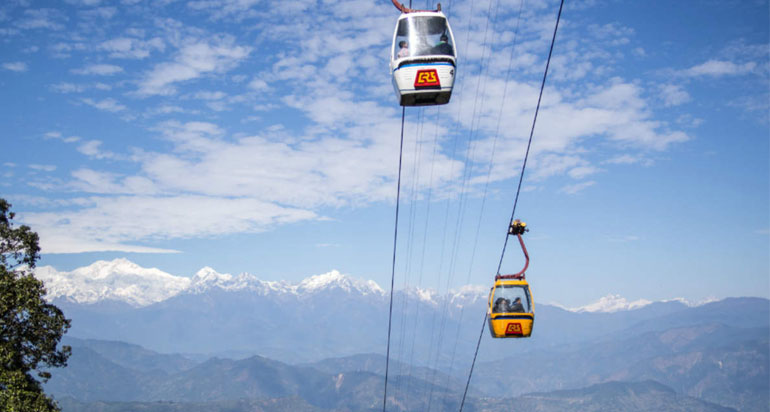
Ropeway
One of the best ways to experience the panoramic views the Queen of Hils, is by taking a ride on the Passenger Cable Car because of the spectacular view of the hills and tea estate around the river Rangeet. It is located x meters from the homestay. It was started in 1968 making it one of the oldest cable car system in India if not the first. Starting with just one cable car or a gondola, it was upgraded to accommodate 16 cable cars each having a capacity of six persons.

Zoo
Padmaja Naidu Himalayan Zoological Park (also called the Darjeeling Zoo) is a 67.56-acre zoo in the town of Darjeeling. The zoo was opened in 1958, and it specializes in breeding animals adapted to alpine conditions, and has successful captive breeding programs for the snow leopard, the endangered Himalayan wolf and the red panda.

HMI Museum
Located within the Darjeeling Zoolical Park, HMI Darjeeling is one of the oldest and longest-running mountaineering institutes in the world. It was founded by Pandit Jawaharlal Nehru (India's first Prime Minister) and Tenzing Norgay in 1954, just one year after Sir Edmund Hillary and Norgay made the first successful ascent of Mount Everest.
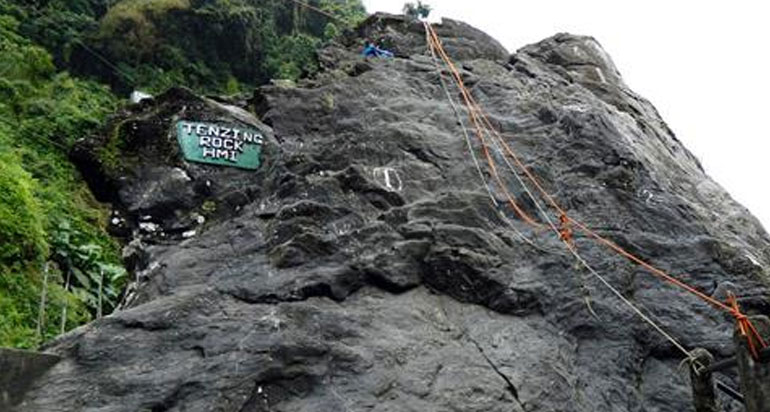
Tenzing Rock
Darjeeling Tenzing Rock is a popular tourist place and is one of the only natural rock climbing sites in Darjeeling. This gigantic rock is named after the mountaineer Tenzing Norgay who climbed the Mount Everest with Edmund Hillary in 1953 and it has his name inscribed on it.
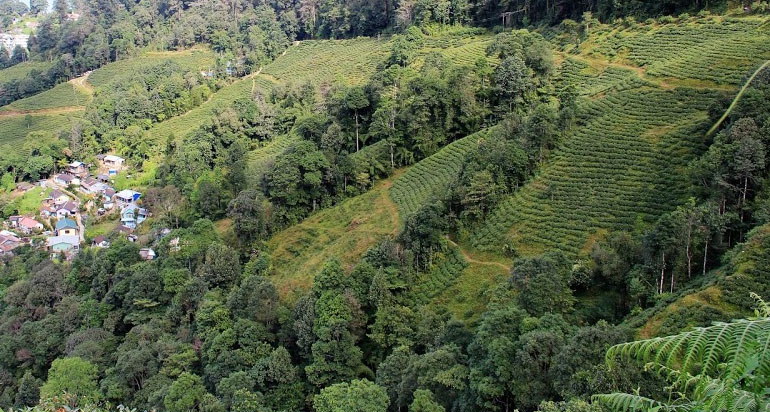
Lebong Tea Garden
It is not possible to visit the small town of Darjeeling without visiting the tea gardens area for which the country is famous. The total area of these gardens is about 454.06 hectares. It is a great place to visit to learn how the tea plant is grown and how it is picked and manufactured.
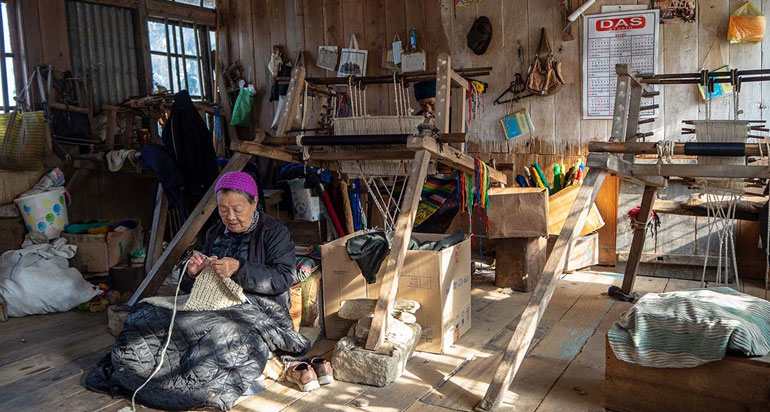
Tibetan Refugee Center
Situated at Lebong and locally known as Hermitage, the Tibetan Refugee Self Help Centre (TRSHC) came into existence on 2 October 1959. The place initially provided emergency relief to Tibetan refugees who had come through a hazardous trek over the Himalayas into India.The centre has been a part of multifarious activities which ranges from handicrafts, training of artisans, and craftsmen.